On this page8 sections
What are OEM parts?
OEM stands for Original Equipment Manufacturer. OEM parts are made by — or to the exact specifications of — the company that built your vehicle. A Ford OEM fender on your F-150 is the same fender Ford bolts on at the assembly plant. Same stampings, same metal, same paint primer, same crash certification.
What are aftermarket parts?
Aftermarket parts are made by third-party companies that reverse-engineer or license parts that look like OEM. Aftermarket quality is a spectrum. At the good end, brands like Bosch or Denso make mechanical components used in original assembly. At the bad end, no-name offshore body panels that look correct in the box but fit poorly, hold paint poorly, and crumple unpredictably in a collision.
OEM vs. aftermarket: where the differences matter
Fit and finish
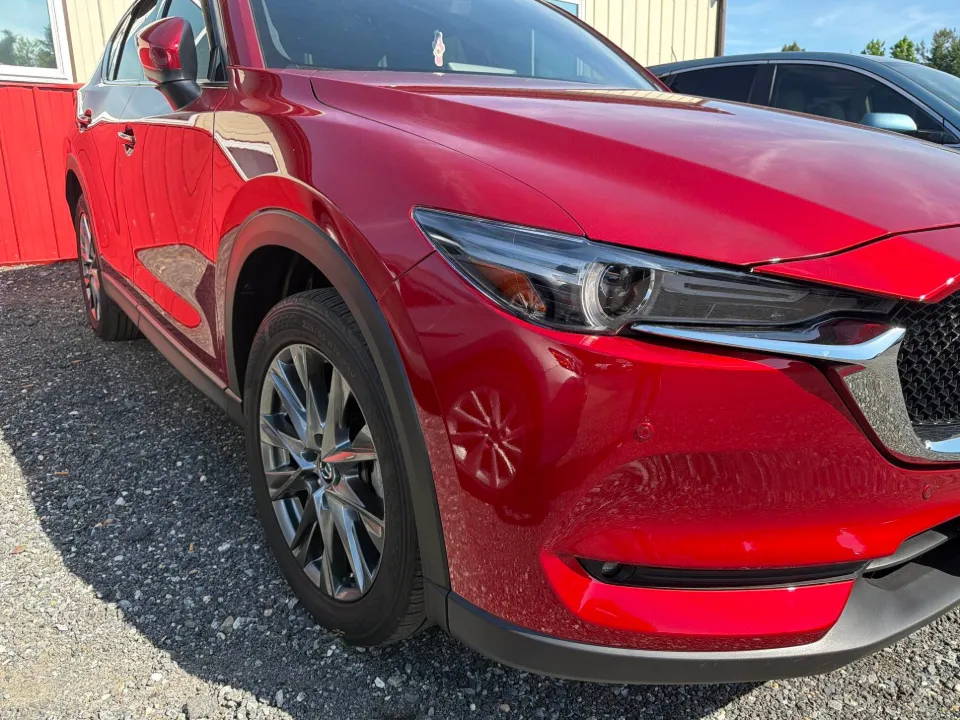
OEM panels line up. Aftermarket panels often need shimming, gap adjustment, or trimming. You can usually feel the difference running your hand across the seam between a fender and a hood — the OEM seam is precise; an aftermarket seam is "close."
Paint and corrosion protection
OEM panels arrive with manufacturer e-coat, primer, and corrosion protection layered the way they're applied at the factory. Aftermarket panels may skip steps, leading to paint adhesion problems and rust through within a few years.
Safety and crash performance
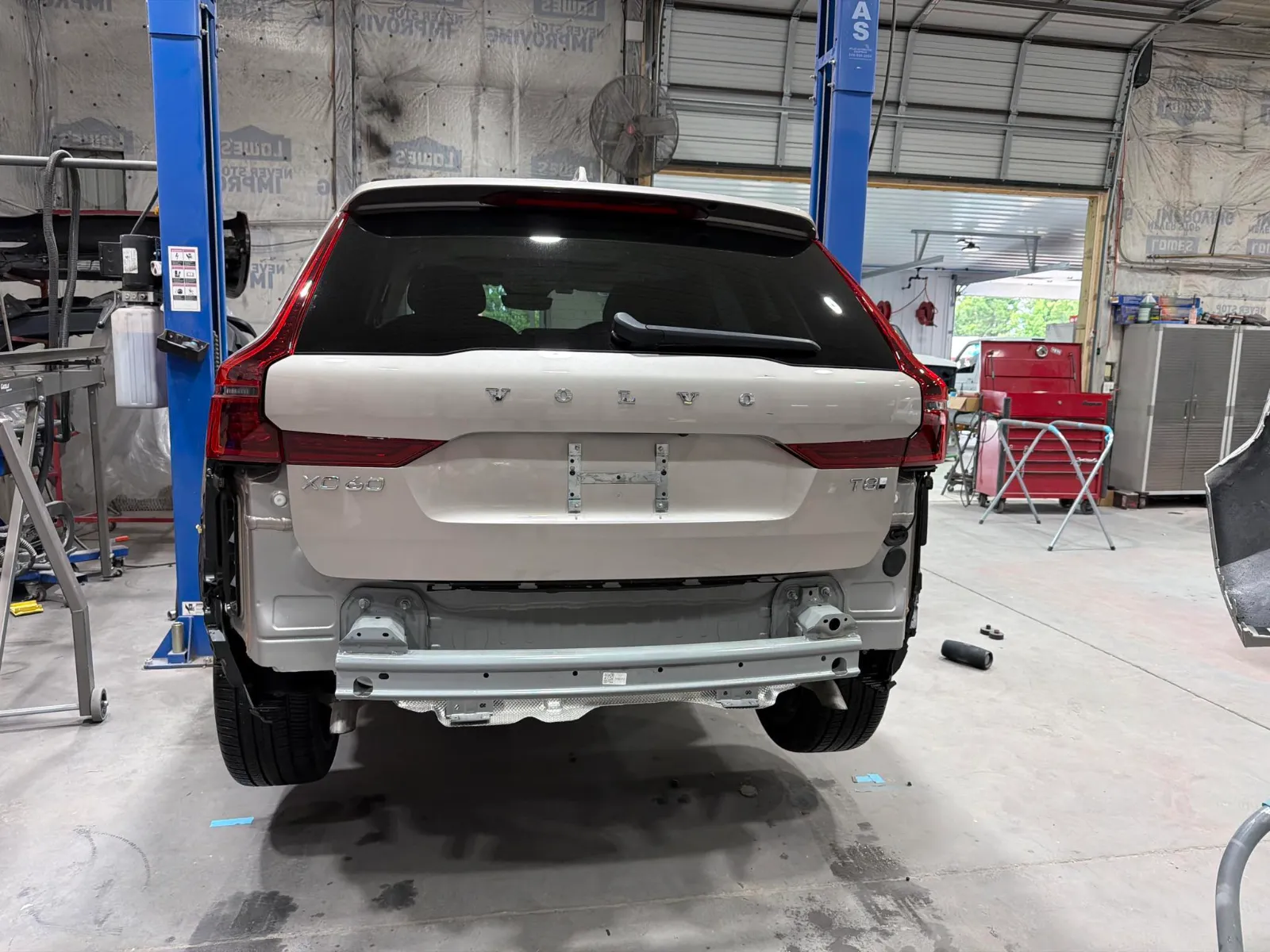
This is the biggest one. Modern vehicles are engineered systems — the bumper, the reinforcement bar, the crash boxes, and the frame rails work together to absorb energy in a controlled sequence. A non-OEM bumper reinforcement that's a few millimeters off in shape or a few grades off in steel can disrupt that sequence in a future accident.
Warranty
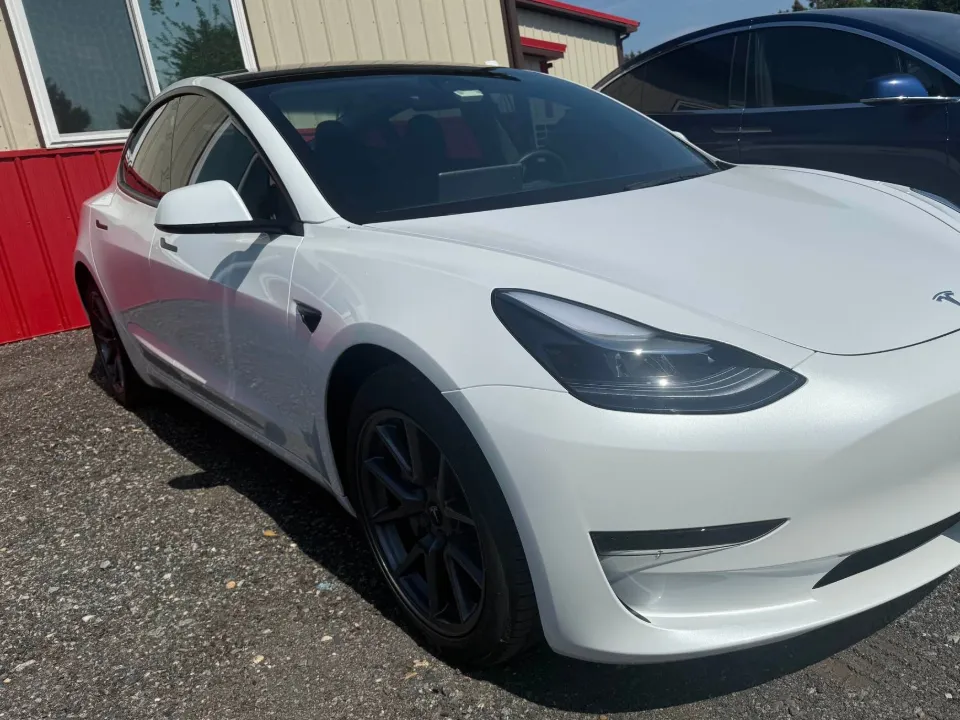
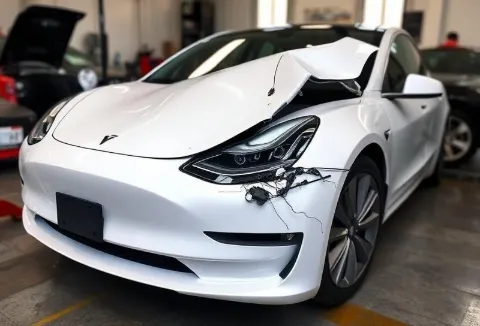
Some manufacturers, particularly Tesla and certified-program brands (Ford, Honda, etc.), require OEM parts on collision repair to preserve warranty. Using aftermarket on those vehicles can void coverage on related systems.
Resale value
CARFAX and dealer inspections often flag aftermarket parts. A car repaired with OEM panels retains more resale value than one repaired with no-name aftermarket — sometimes by hundreds or thousands of dollars.
When are aftermarket parts okay?
Aftermarket can be perfectly reasonable for:
- Mechanical wear items (brakes, filters, belts, hoses) from reputable brands
- Cosmetic accessories that don't affect safety or crash performance
- Older vehicles where OEM parts are no longer available
- Budget-driven repairs where you understand and accept the trade-off
Aftermarket is usually a bad idea for:
- Bumper reinforcements, crash boxes, and frame components
- Airbag sensors and seat-belt assemblies
- ADAS-related components (camera brackets, radar mounts)
- Tesla, EV, or manufacturer-certified repairs
- Newer leased vehicles where the lease return inspection will flag non-OEM
What about used (LKQ) parts?
"Like Kind and Quality" (LKQ) parts are recycled OEM parts pulled from totaled vehicles. Done right, an LKQ part can be a great option — it's a genuine OEM part at a lower cost, and on older vehicles it can shave significant money off a repair without compromising safety. The key is the condition and source. We inspect every LKQ part before it goes on your vehicle and reject ones that aren't right.
What does your insurance policy actually say?
Read the parts language. Many policies use phrases like "like kind and quality" or "non-OEM parts of similar quality" — language that gives the insurer permission to substitute aftermarket without asking. Some policies include an OEM endorsement (sometimes called "new OEM parts") for an extra premium. If you've never asked, ask. It's especially worth it on newer vehicles, leased vehicles, and EVs.
What does Eastern Auto Works recommend?
Our default is OEM, especially for structural, safety, and visible exterior panels. We'll ask before we substitute. If your insurer pushes aftermarket and you want OEM, we'll tell you the cost difference up front, file a supplement to push back where appropriate, and — if it comes to it — explain what you'd pay out of pocket to get the OEM part. No surprises.
For Tesla repairs we exclusively use genuine Tesla OEM parts sourced through Tesla's body shop portal. There are no shortcuts on a Tesla.