On this page8 sections
What does "classic car restoration" actually mean?
Restoration is the process of returning a vehicle to a defined condition — typically the condition it was in when it left the factory, though some owners aim for "better than new." It's distinct from a resto-mod (period-correct exterior with modern drivetrain or suspension) and from a preservation (keeping original wear and patina intact). The first conversation we have with any restoration customer is about which of these you actually want — because the answer drives every decision afterward.
The four levels of restoration
- Driver quality. The car looks great in a parking lot, drives well, and is reliable. Body and paint are clean but not perfect; mechanicals are sorted; the interior is presentable. Most owners want this level.
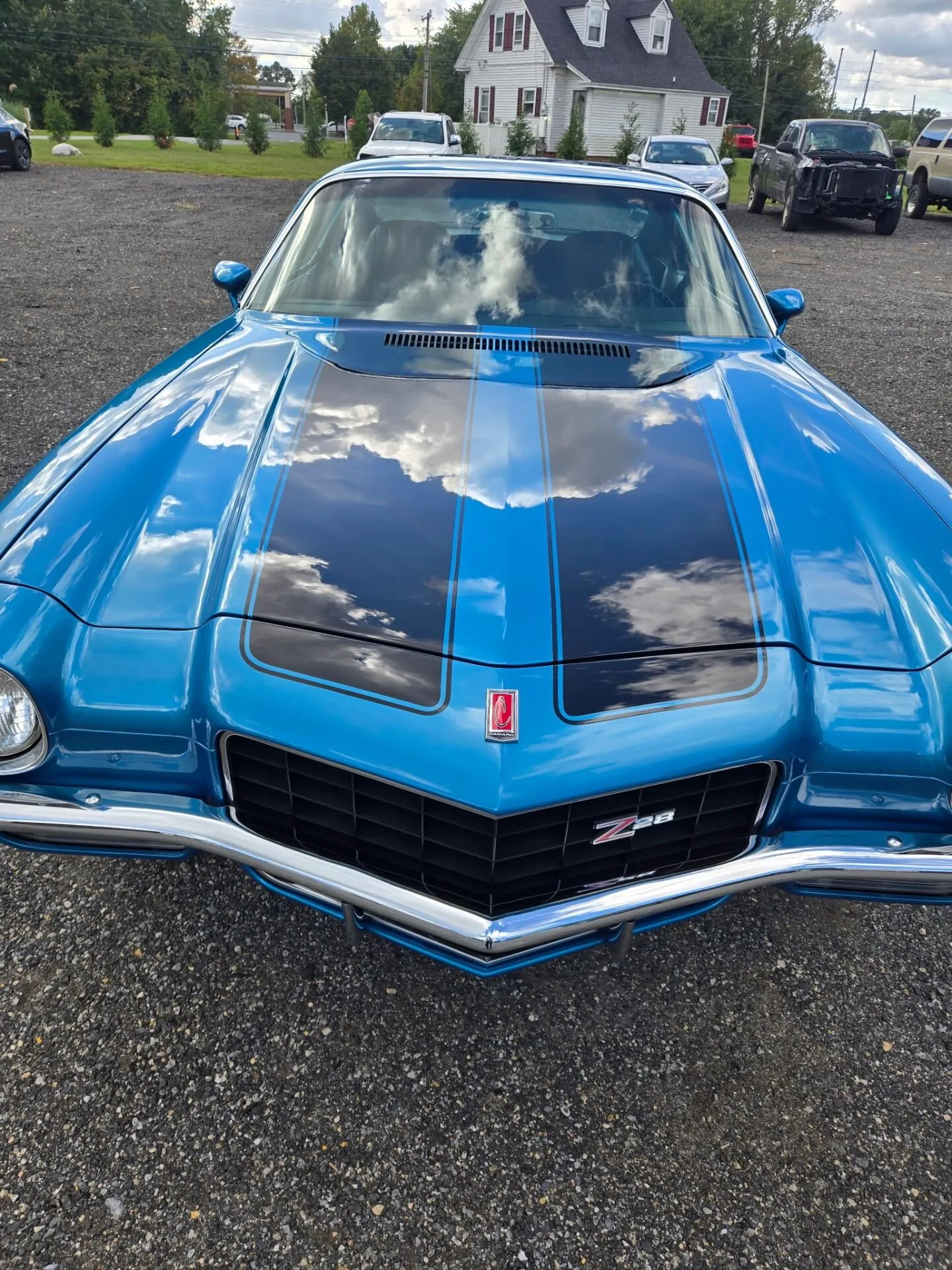
- Street show. A step up: high-quality paint and bodywork, correct trim, a clean engine bay, but minor deviations from factory spec are okay. Will turn heads at local cruises and Cars & Coffee.
- Concours. Judged to a published standard (e.g., NCRS for Corvettes). Every fastener correct, every date code matched, every paint mark reproduced. Months of research per detail.
- Over-restoration. Better than the factory ever built it. Glass-smooth paint, perfect panel gaps, polished underbody. Beautiful but historically inaccurate — and not always desirable to serious collectors.
What are the stages of a restoration?
A full frame-off restoration follows roughly this sequence:
- Assessment & planning. We document the vehicle's condition, identify what's salvageable, agree on a target level of finish, and prepare a written estimate. This is where most surprises get caught.
- Disassembly. The body comes off the frame; everything is bagged, tagged, and photographed. We discover hidden rust, prior bodywork, accident damage, and missing parts.
- Body and metalwork. Rust repair, panel replacement, gap fitment, sheet metal fabrication where reproduction parts don't exist.
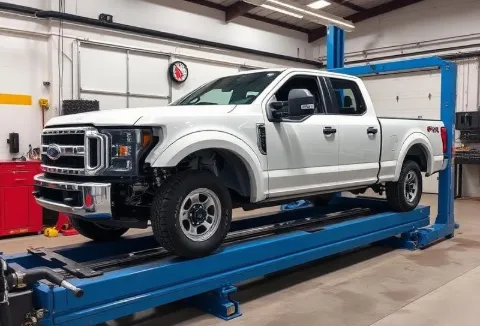
- Chassis and underbody. Frame straightening on our Celette Naja bench when needed, frame repair, brake line and fuel line replacement, suspension rebuild.
- Paint preparation. Block sanding, primer, more block sanding, and more primer. Paint quality is 90% prep work.
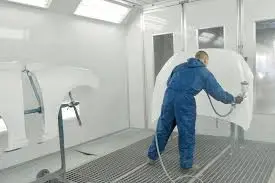
- Paint. Color match (or color choice), base coat, clear coat, cure time, wet sanding, polishing.
- Reassembly. Drivetrain, electrical, glass, trim, interior, weatherstrip.
- Shakedown and tuning. Drive it. Find the problems that only show up when the car is alive. Fix them. Deliver.
How long does a restoration take?
- Driver quality
- 4–9 months
- Street show
- 9–18 months
- Concours
- 18–36 months
Parts are the biggest schedule variable. Reproduction parts for popular models (Camaro, Mustang, Chevelle) are widely available; obscure models can have 6-month waits for a single piece.
What does it cost?
Hard to quote without seeing the car, but typical ranges on a ’60s or ’70s American muscle car:
- Driver quality
- $25,000–$60,000
- Street show
- $60,000–$100,000
- Concours
- $100,000–$200,000+
The car's starting condition matters more than anything. A solid, complete original costs far less to restore than a rusted-out parts car. We give you a written estimate after a proper teardown so the number reflects reality, not optimism.
How to choose a restoration shop
- Ask to see completed work, not just in-progress photos. Standing next to a finished car tells you more than any portfolio.
- Ask about painting capability. A downdraft booth and professional refinish materials like Axalta are non-negotiable for show-quality paint.
- Ask about metalwork capability. A restoration shop without an experienced metal man is a restoration shop that will outsource most of your project.
- Ask about frame and structural capability. Many shops don't own a proper frame bench. We do.
- Ask about communication. Restorations are long projects. A shop that sends monthly photo updates is doing it right.
What we restore at Eastern Auto Works
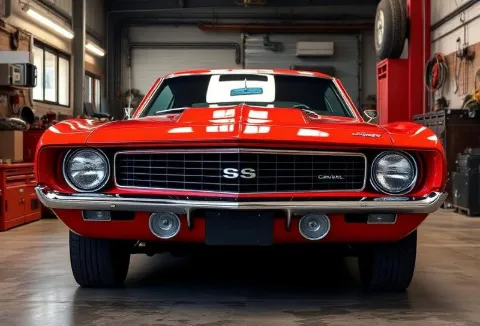
We've completed restorations on ’69 Camaros, Pontiac Firebirds, Chevelles, Corvettes, Mustangs, Mopar B- and E-bodies, classic trucks, and more. We have a dedicated restoration bay, in-house metalwork and paint, and a parts network built from our team's 30+ years of experience. You can see examples of our work in our repair and restoration gallery.
If you have a classic project on the Eastern Shore — or you bought a project car and want a realistic assessment before committing — bring it to us. Learn more about our classic car restoration service or call (443) 521-9655.